









Frequently Asked Questions
Can Shopify handle 30,000+ product catalogs?
How do you integrate Shopify with Odoo ERP?
We integrate Shopify with Odoo through APIs and custom integration architecture. Real-time synchronization ensures inventory, pricing, and product data flow from Odoo to Shopify, while orders flow from Shopify to Odoo for fulfillment. The integration maintains data consistency and eliminates manual data entry.
Can you build advanced filtering for industrial products?
Yes. We build custom filtering systems with 8-10 filters per collection based on technical attributes, specifications, certifications, and usage applications. Our filtering goes beyond standard Shopify filters to support industrial product discovery by technical requirements rather than just price or brand.
How do you handle B2B pricing and customer-specific pricing?
We build custom Shopify apps that manage customer-specific pricing, MOQ requirements, and bulk discount tiers. B2B customers see negotiated pricing when logged in, while retail customers see standard pricing. Pricing rules are synchronized with ERP systems to ensure accuracy and consistency.
Can customers compare products side-by-side?
Yes. Our platforms include product comparison tools that allow buyers to compare multiple products by technical specifications, pricing, and availability. This feature is built specifically for engineers and procurement teams who need to make spec-based decisions.
How do you manage multi-country operations?
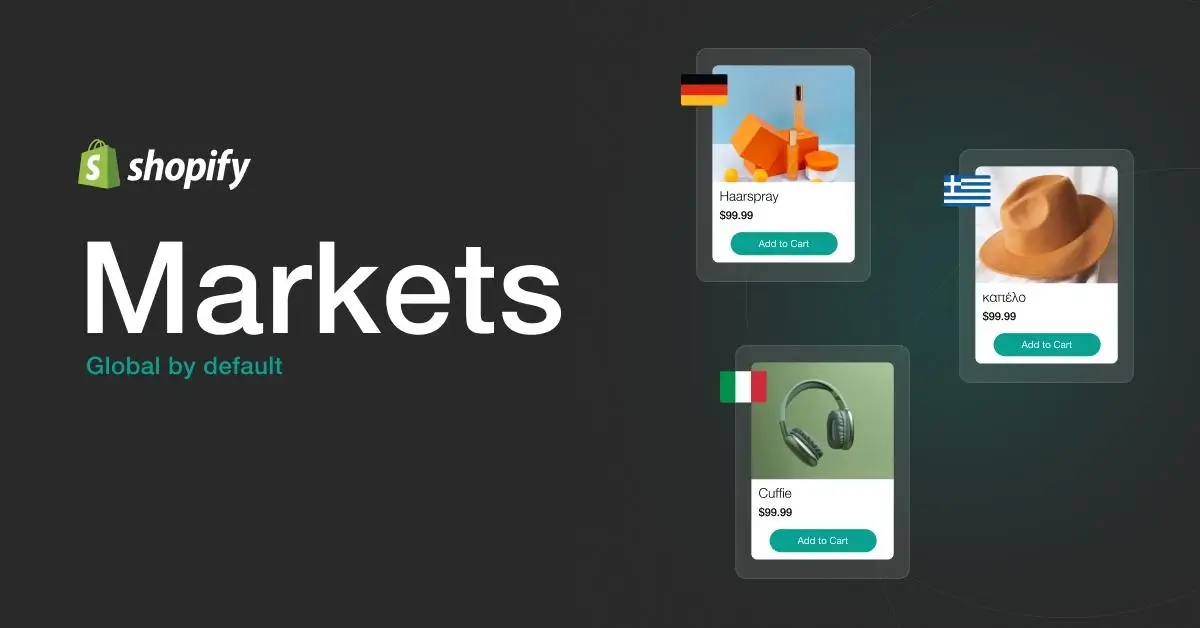
We use Shopify Markets to configure multi-country operations from a single store. Each market can have different pricing, currencies, product availability, and shipping zones. This approach is more scalable than managing separate stores and ensures centralized operations with localized customer experiences.
What is the difference between grid view and tabular view?
Grid view displays products visually with images, ideal for browsing. Tabular view displays products in a spreadsheet-like format with key specifications visible, ideal for procurement workflows. Customers can switch between views based on their needs—visual browsing or technical comparison.
How long does it take to build an industrial e-commerce platform?
Typical timelines range from 31-41 weeks from project start to full launch, depending on catalog size, ERP integration complexity, number of markets, and custom feature requirements. We deliver in phases to ensure early value and operational readiness.
Do you provide ongoing support after launch?
Yes. We provide 24/7 technical support, performance monitoring, catalog optimization, feature enhancements, and continuous improvement. Industrial e-commerce platforms require ongoing optimization as catalogs grow, requirements evolve, and operations scale.